
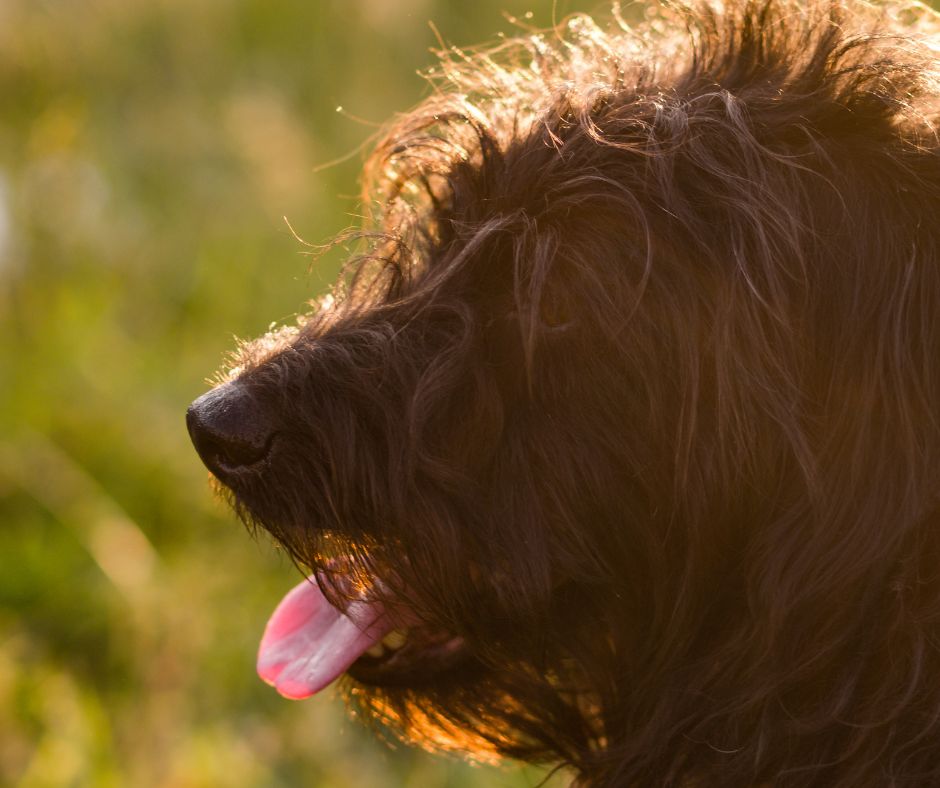
Any doting dog owner knows how heart-breaking it is to lose a dog, they share our homes and our lives in an all-encompassing way and even an expected passing can seem so sudden when it happens. Be they young or old, healthy or poorly, nothing can quite prepare us for that empty dog bed. So, what of dogs who lose their fellow canine companion? It begs the question, do dogs grieve too?
If you know dogs, you know that they have happy moments, worried moments, and even frustrated moments, so it's not difficult to see how they can also feel grief for the loss of a close one, be that individual four-pawed or two. And animal behaviourists agree. Studies have shown that the physical and chemical makeup of people and pooch brains are very similar. Therefore, we can expect them to feel similar emotions. In fact, it probably has much to do with why we build such strong bonds with dogs in the first place, we seem to be on a similar wavelength in the grand scheme of things. Observing wolf packs also gives us an insight into the behaviours of canids. Wolves have shown to display periods of mourning after a pack member's death.
So how then, can we help them cope? How can we support them and ease them through such a transition as the loss of a pack member?
Recognise the signs
This is not always easy. While some will make it quite clear to you that they are suffering, other dogs hide their grief well. It's probably best to assume they are feeling a degree of unsettlement and to treat them accordingly. More obvious indications of grief include going off their food, being depressed, showing less of a 'zest for life' in general, howling and even some destructive behaviours too.
So how can we humans help?
It can be tough, when you're grieving yourself, to approach your dog's suffering appropriately. But if you handle the situation well, you'll likely find that their mourning passes relatively quickly compared to yours. Act normally, but with sympathy. Don't get angry if your favourite cushion is torn to shreds or if they're keeping you awake with howling. Try to see it for the clear expression of emotional pain that they are feeling. On the other hand, don't change the routine. Keep exercise, feeding and fussing habits the same. Even when they refuse to eat their usual food, don't pander and fuss. This will only build a positive association with finicky eating and you might find you have a fussy eater for life. If your lost one was a great source of entertainment for your dog, for example a member of the family who exercised them most, or a fellow pooch who played with them often, you will have to fill this void in order to keep life constant.
Mourning the loss of another dog, should you get another?
This has to be taken on an individual basis. If your dog generally loves all other dogs, it could be a good move. It's usually best to wait a while for some of the sadness to leave the home so that a new dog comes into your lives in a happy place, it's only fair on the new dog. If your dog only enjoyed the company of their special friend and all others provoke anxiety or reactivity in them, then consider carefully if a new playmate is the right thing to do. It doesn't mean to say they couldn't love another, but perhaps it’s best to seek professional advice and discuss the matter with a behaviourist first.
A tough time for all involved, have faith and patience and your dog will come through to be happy once again.